
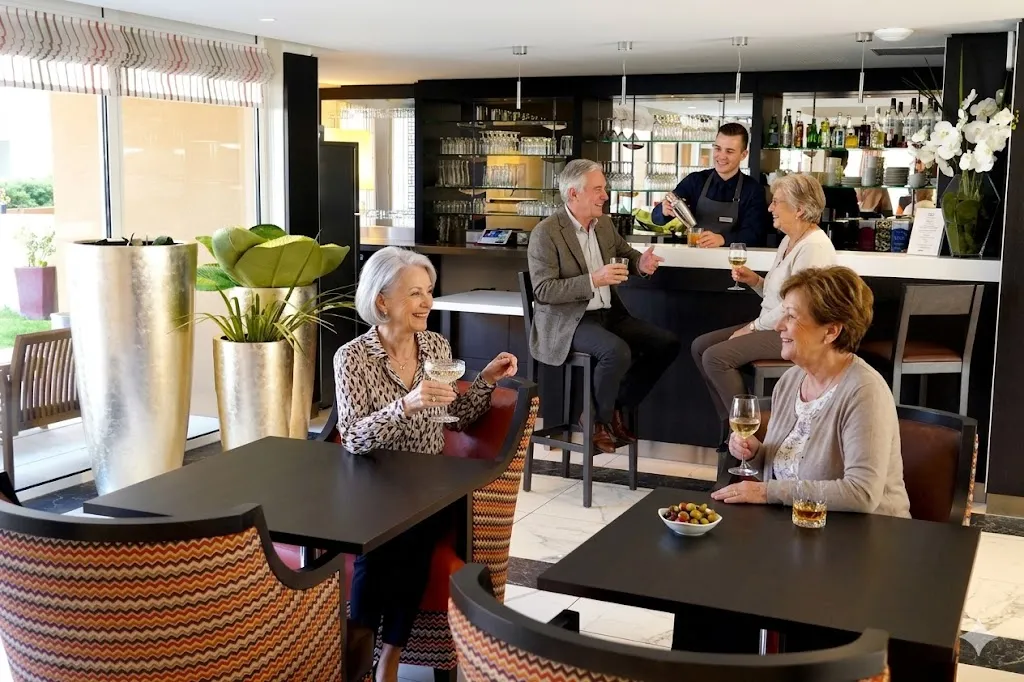
Leaving your home for a senior residence is a major step. Often prompted by a wish for greater safety or a more suitable setting, this transition can bring as much excitement as apprehension. To make it a real success, it helps to understand the different phases of the first 90 days.
Letting go of the old family home
A family home is far more than a piece of property. It embodies a whole life. Leaving it can bring a sense of loss, even a genuine kind of grief. This process goes through several stages, from denial to acceptance. Focusing on the concrete advantages of the residence, safety, services, adapted facilities, social connection, helps you get through it. Leaving a house that has become too large or too costly also frees up energy for new projects.
Good to know: A pang of sadness on the first evening is entirely normal. It is a sign that your mind is adjusting to new surroundings. Accepting that emotion is already real progress.
Before moving in: plan ahead to settle in better
Adapting begins well before moving day. Unlike an EHPAD (French nursing home), a senior residence welcomes independent people, with services available à la carte. To put any doubts to rest, nothing beats a temporary stay or a trial period.
This gives you a chance to:
-
talk with the team and the residents;
-
try out the comfort of the apartment and sample the food;
-
check that the atmosphere and setting suit you.
Days 1 to 15: finding your bearings
Make the apartment your own. From day one, put out your familiar furniture, your photographs, your small treasured objects. Scents matter too: use the same room fragrances you had in your old home.
Re-establish a routine. Keep your usual times for meals, reading or walking. A stable framework is calming and eases homesickness.
Call on the team. Do not hesitate to ask all your questions (heating, remote assistance, services and so on). The staff are there to guide you.
Weeks 3 to 8: exploring and connecting
Your apartment has become your cocoon. Now it is time to open the door.
Make use of the shared spaces. A little time each day in the lounge, the library or the pool makes you a familiar face to others.
In the restaurant, change seats. Simply ask, “Is this seat free?”. If you feel shy, the staff can seat you with people who share your interests.
Take part in two activities a week: one physical (gentle exercise, walking) and one intellectual or fun (a quiz, the choir, reading). The activities coordinator is there to help you, never to push you.
A smile, a hello, a door held open: these small gestures are powerful signals of openness.
Month 3 and beyond: become an active participant
After three months, you are no longer “the new resident”. This is the moment to move from spectator to participant. Were you a teacher? Suggest a book club. Do you enjoy gardening? Lend a hand in the shared vegetable garden. Welcoming newcomers is also a lovely way to feel useful.
The family’s role
Family is precious, but it needs to find the right place. Coming for lunch in the residence’s restaurant shows that you are proud of your new home. Visits that are too frequent, on the other hand, can hold back the bonds you are building with other residents. Alternate visits with phone calls, then take stock after a few months: you will almost certainly see progress in terms of safety, social connection and freedom.
Settling in is a marathon, not a sprint. Be kind to yourself. The other residents have been through it too: they are your best guides.
FAQ – Settling into a senior residence
How long does it take to feel “at home”?
Anywhere from a few weeks to several months, depending on the person. Mixed emotions are perfectly normal at first.
Is it normal to feel regret or sadness?
Yes, absolutely. These feelings ease with time and with new habits.
How can I recreate a feeling of home?
Bring your personal belongings, keep up your routines, and arrange the space to your own taste.
What if I struggle to connect with others?
Don’t force it. Start with short conversations, spend time in the shared areas, and let time do its work.
Are the activities compulsory?
No, they are entirely optional. But trying one is often the first step to enjoying it.
What if I still don’t feel right after several months?
Talk to the residence team, to someone close to you, or to a doctor. You are not alone.
A simple visit can change everything. Come and discover an OBEO Residences residence, and talk with our residents and our teams.