
How can you prevent the risk of falls among older people?
Last updated: 28 June 2025
Never play down a fall, look after your health, adapt your home, equip yourself with mobility aids: here is all the advice you need to prevent the risk of falls.
A fall can have real consequences for the way you live. It can lead to a temporary or lasting loss of independence. It can also make you dread every movement. That is why it is important to know how to prevent a fall.
Never play down a fall
If a fall does happen, it is essential to understand why, so that you can return to your usual activities as soon as possible where that is feasible.
A fall can have several causes, such as:
sensory difficulties (hearing and sight),
a balance problem,
a muscular or joint problem,
undernutrition or dehydration,
a cardiac or neurological problem,
an unsuitable home and environment (garden, communal areas of the building, etc.),
taking an unsuitable medication: a medicine may have been appropriate earlier in life and no longer suit the body as it changes.
Consulting your GP is therefore essential in order to identify the cause or causes of the fall, treat them and so avoid a second fall, or even a hospital stay.
Looking after your health
Looking after your health is essential to preserving your independence. To prevent the risk of falls, it is advisable to:
take regular physical activity to maintain muscle strength and suppleness,
pay attention to your diet to maintain good nutritional health and avoid undernutrition,
have regular eye check-ups as well as hearing check-ups,
take care of your feet and wear appropriate footwear (avoid shoes that do not support the foot and heel).
Adapting your home to prevent falls
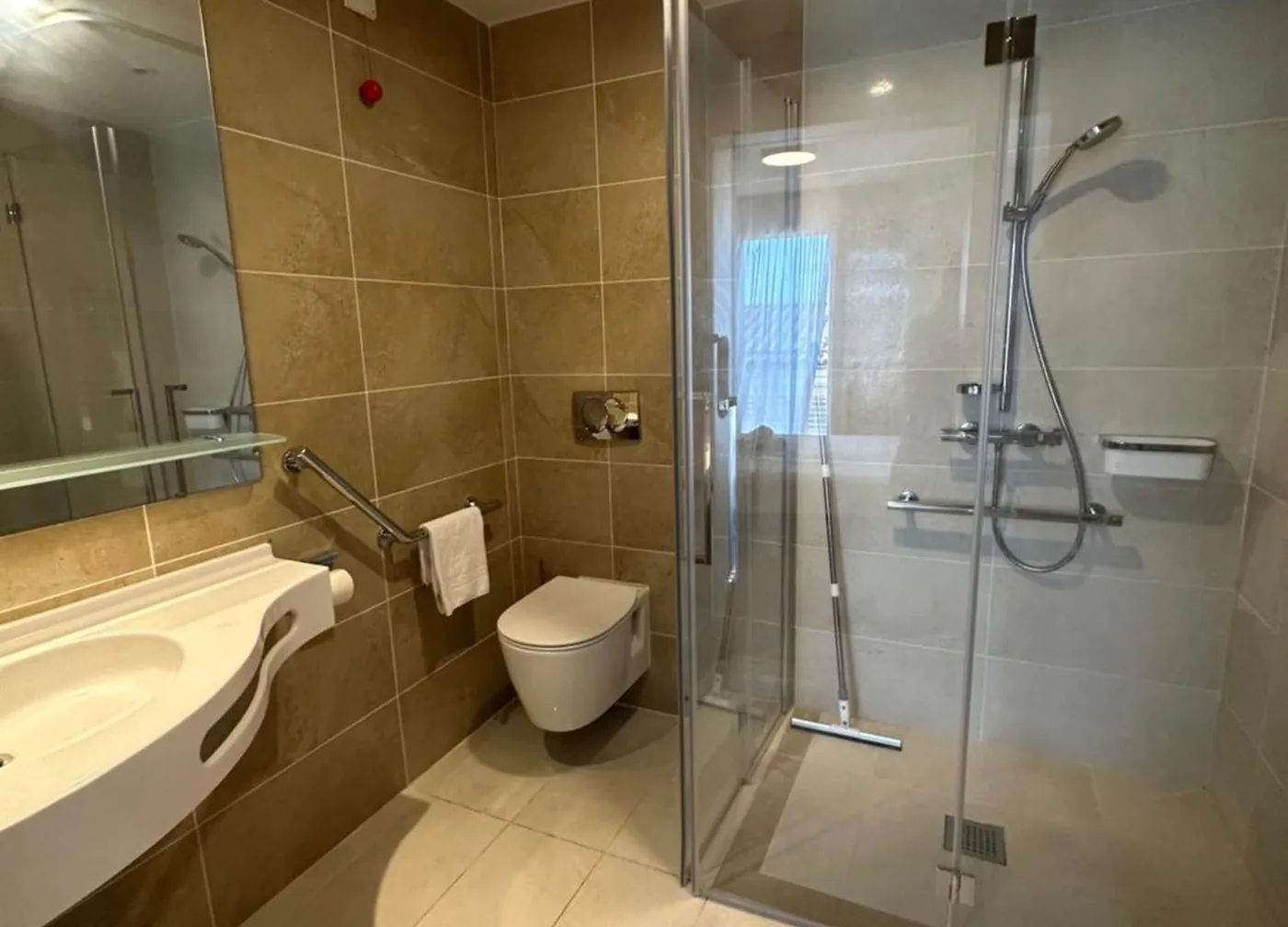
Adapting the home also plays a part in preventing the risk of falls. It is best to plan ahead so that adjustments do not have to be made in a hurry.
A range of measures can make a home better suited and safer:
adapting the lighting to avoid dark patches or sudden changes in brightness and thus the risk of falls, installing a lit pathway, especially if you get up during the night, etc.
installing specific equipment: grab bars, a shower seat, for example.
carrying out adaptation work so you can move around easily and safely: adding non-slip strips under rugs or fixing them to the floor, fitting non-slip stair nosings, replacing slippery flooring, especially where it sometimes gets wet, installing handrails and grab bars, adjusting the height of shelves and cupboards for easier access, etc.
carrying out work in the bathroom and toilet: installing a walk-in shower, a raised toilet, etc.
decluttering the home to create comfortable walkways.
To find out more about the adaptation options and the financial support available, see the article Adapting your home.
Equipping yourself with mobility aids
Suitable equipment can help you get around, both at home and outdoors: a walking stick, a walking frame, a wheelchair, an access ramp, a mobility scooter, and so on. These aids help prevent the risk of falls while allowing you to keep moving and carrying on with your activities.
Guidance on how to use mobility aids properly is essential. Do get in touch with a CICAT (a French centre for information and advice on assistive equipment) or an EQLAAT (a local support team for assistive equipment). Professionals there provide advice free of charge, and you can try equipment out.
If there is no CICAT or EQLAAT near you, you can:
request information from your local information point;
ask for an assessment from your supplementary pension fund or your department’s independent-living services;
consult a private occupational therapist.